Front Post Double Crochet Blanket
Hello, dear reader, welcome to Handmade Learning Here! We’re so happy to have you here in our cozy little corner of creativity. Whether you’re just beginning your crochet journey or already exploring new textures and techniques, this space was made for you. At Handmade Learning Here, we believe that every stitch tells a story.
Crochet isn’t just about yarn and hooks, it’s about slowing down, creating something with your own hands, and finding joy in the process. Today, we’re diving into a beautiful textured technique that can instantly elevate your projects and help you grow in confidence as a maker. So grab your yarn, settle in comfortably, and let’s explore something new together.
Texture can completely transform a crochet project. While basic stitches create beautiful pieces on their own, learning how to work around the post of a stitch opens up a whole new world of design possibilities. One of the most versatile techniques for creating dimension is the Front Post Double Crochet (FPdc).
If you’re looking to elevate your crochet skills and add depth to your projects, this stitch is a fantastic place to start.
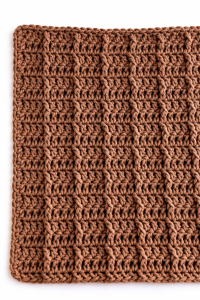
What Makes the Front Post Double Crochet Special?
Unlike traditional stitches that are worked into the top loops, the Front Post Double Crochet is worked around the vertical “post” of the stitch from the previous row. This simple change creates a raised effect that stands out from the fabric.
The result? A structured, textured look that adds visual interest without making the pattern overly complicated.
The Front Post Double Crochet (FPdc) is a fun and textured stitch that adds depth and dimension to your crochet projects — from washcloths and blankets to scarves and sweaters. It looks more advanced than it feels, and once you understand it, you’ll be able to use it in many beautiful patterns!
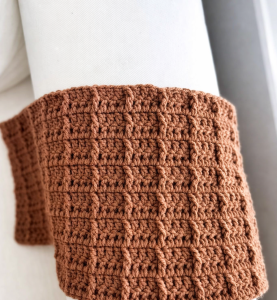
🧶 What Is the Front Post Double Crochet?
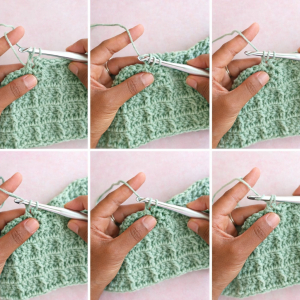
The FPdc is simply a variation of the traditional double crochet, but instead of working into the top loops of the stitch, you crochet around the post (the vertical “stem” of the stitch from the previous row). That pushes the stitch forward, creating lovely raised texture.
Materials You’ll Need
-
A crochet hook (5.5 mm / H-8 suggested)
-
Worsted-weight yarn (for dishcloths, 100% cotton is best)
-
Scissors
-
Tapestry needle for weaving in ends
Abbreviations (US Terms)
| Abbreviation | Meaning |
|---|---|
| ch | chain |
| st | stitch |
| sc | single crochet |
| dc | double crochet |
| fpdc | front post double crochet |
How to Crochet the Front Post Double Crochet (FPdc)
Before starting the FPdc, make sure you already know how to make a double crochet. The technique is nearly the same — we just change where we insert the hook.
Step-by-Step
-
Yarn over (YO) — Wrap the yarn over your hook.
-
Insert your hook around the post — Push your hook *from front
PATTERN
Start by making 32 chains. Try to keep your tension even — not too tight, not too loose — so your first row doesn’t curl.
Row 1
Make a double crochet (dc) in the second chain from your hook.
Continue working 1 double crochet in each chain all the way to the end.
At the end of the row:
-
You should have 31 double crochet stitches.
-
Chain 1 and turn your work.
Row 2
Work 1 double crochet in each of the first 3 stitches.
Now you will begin the textured pattern:
-
Make 1 front post double crochet (FPdc) around the next stitch.
-
Then work 1 double crochet in each of the next 3 stitches.
Repeat this sequence (1 FPdc, then 3 dc) all the way across the row.
When you reach the end:
-
You should still have 31 stitches total.
-
Chain 1 and turn your work.
Row 3
Work 1 double crochet in every stitch across the entire row.
You should again have 31 stitches at the end.
Repeat the Pattern
Continue alternating:
-
Row 2 (textured row with FPdc)
-
Row 3 (all double crochet)
Repeat these two rows until your piece measures 18 rows total.
Finishing
Do not fasten off after completing the 18th row.
Keep your yarn attached and move directly into the border instructions.
Border Instructions
Round 1 – Creating a Simple Edge
Now you’ll start working around the outer edge of your project to create a clean, finished border.
Begin anywhere along the edge.
Work single crochet stitches evenly all the way around your piece. Try to space them out evenly so the edge lays flat — not too tight and not too loose.
Corners
When you reach a corner:
-
Place 3 single crochet stitches into the same corner space.
This helps the fabric turn smoothly and keeps the edges from pulling or curling.
Continue working single crochet stitches along the next side.
Repeat this process at each corner:
-
3 single crochet stitches in every corner space.
Closing the Round
Once you’ve crocheted all the way around and returned to where you started:
-
Insert your hook into the top of the very first single crochet stitch you made.
-
Make a slip stitch to connect the round and close the border neatly.
Your first border round is now complete.
A Perfect Practice Project
Small projects like washcloths are ideal for practicing texture. They’re quick, useful, and forgiving — which makes them perfect for experimenting with new stitches.
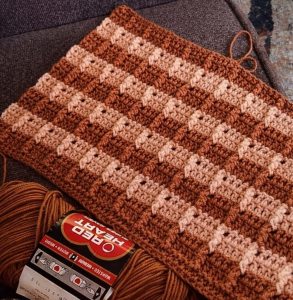
Using cotton yarn enhances the definition of post stitches, making the raised texture even more visible. The finished fabric feels slightly thicker and more structured compared to standard double crochet fabric.
Tips for Clean, Professional Results
When working with Front Post stitches, keep these things in mind:
-
Maintain consistent tension so the fabric doesn’t pull inward.
-
Make sure you’re inserting your hook fully around the post, not through the top loops.
-
Block your finished piece if needed to relax the stitches and even out the texture.
With practice, you’ll notice the stitch becomes smoother and more natural to execute.
VIDEO TUTORIAL
Watch this wonderfoul video tutorial made by Daisy Cottage Designs
The Front Post Double Crochet is one of those techniques that looks advanced but is completely achievable with a little guidance. It adds personality, structure, and polish to any crochet piece.
If you’re ready to move beyond flat stitches and explore dimension in your work, this is the perfect stitch to master next.
At Handmade Learning Here, we believe that every new technique is a doorway to creative confidence — and textured crochet is just the beginning.